Seminar on Future of Europe at Egmont Institute
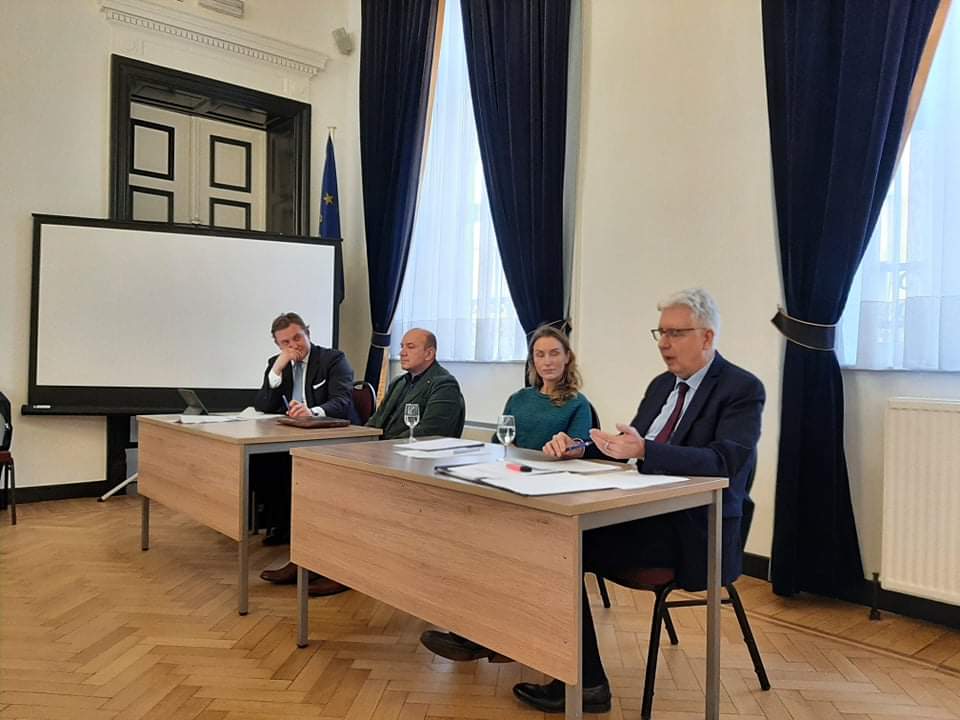
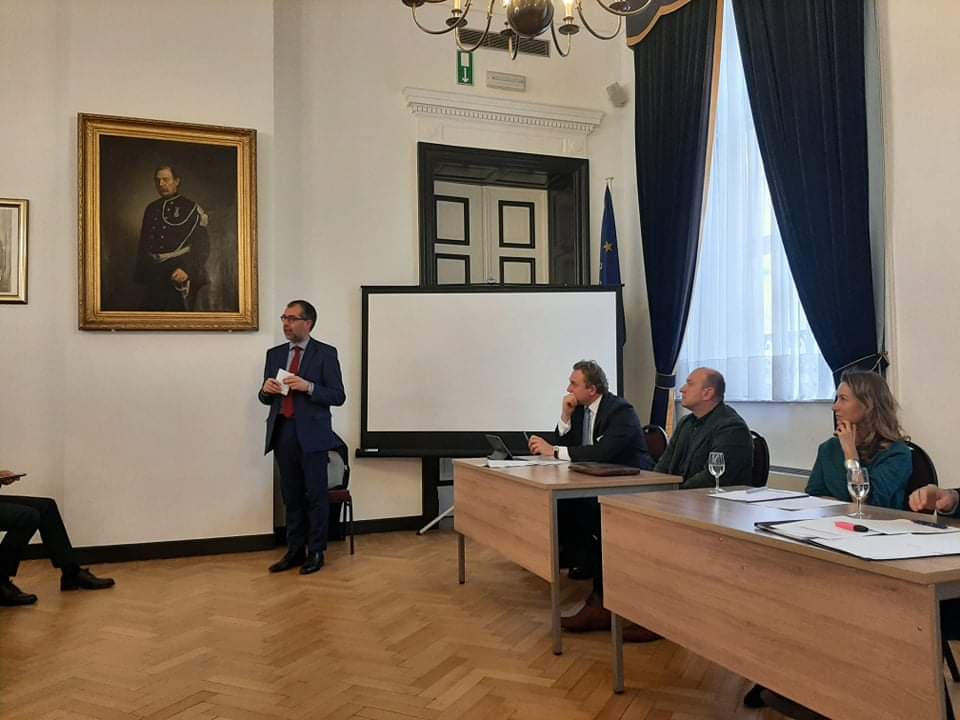
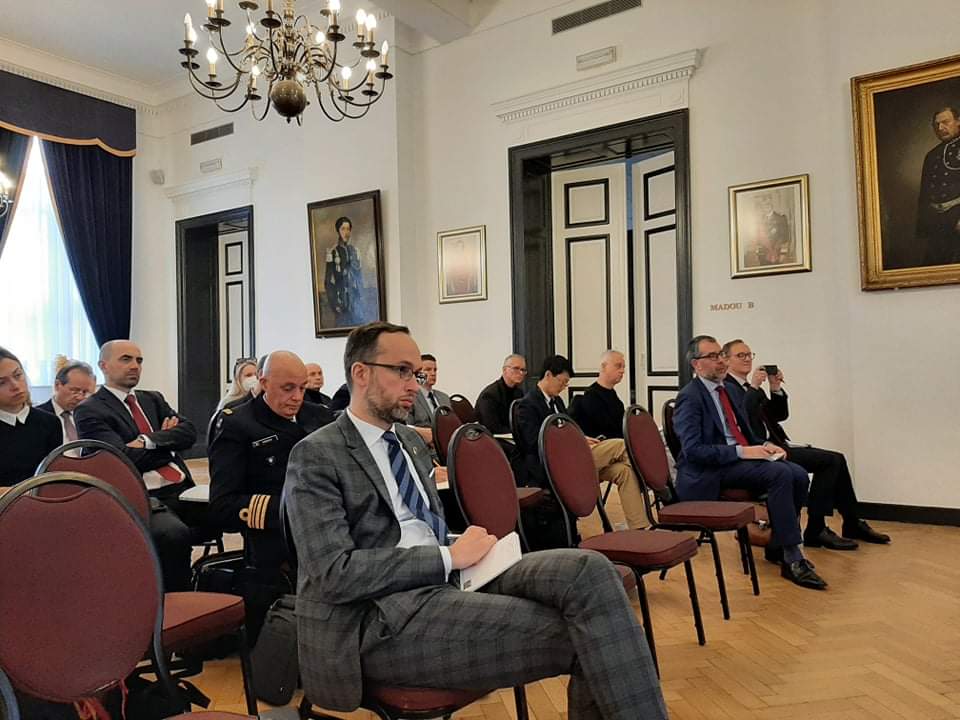
On the initiative of the Embassy of Lithuania, a seminar on the future of EU security was organised in cooperation with Belgium's most influential institute, the Royal Egmont Institute (https://www.egmontinstitute.be/ ) and with the Embassies of Estonia, Latvia and Poland. Ambassador Rita Kazragienė welcomed the participants. The discussion of Belgian and EU experts was moderated by Prof. Dr. Sven Biscop with participation of Prof. Dr. Margarita Šešelgytė, Director of the Institute of International Relations and Political Science, Vilnius University, Kalev Stoicescu, Research Fellow at the International Centre for Defence and Security (Tallinn), Dr. Łukasz Jurczyszyn, Director of the Brussels Office of the Polish Institute of International Affairs (PISM), and Imants Lieģis, Senior Research Fellow at the Institute of International Affairs of Latvia, former Ambassador to NATO and to France, former Minister of Defence.
This expert seminar assessed the overall strategic situation of the EU, starting with a perspective from the Baltic States and Poland, by way of contribution to the ongoing debate on the Strategic Compass of the EU. The discussion included:
- How can the EU contribute most effectively to the protection of the citizens and territory of its Member States?
- Can the EU deter “hybrid” actions?
- Will the Strategic Compass serve as the basis for a renewed transatlantic strategic consensus?
- Which role should the EU play in the dynamic between the US, China, and Russia?
The EU went into the year 2022 with a security crisis on its eastern flank, as a result (once more) of Russia’s aggressive pursuit of a sphere of interest. Simultaneously, Russian interference exacerbates the security problems in the EU’s southern periphery. Russia also undertakes “hybrid” actions against the EU on a permanent basis, as does China, which has also contributed to rising international tensions by increasing pressure on Taiwan.
These acute tensions are set against the backdrop of the ongoing corona crisis, which has aggravated existing negative trends in international politics: growing rivalry between the great powers, a weakening of multilateralism, a questioning of globalisation, a further weakening of already weak states. Meanwhile, Europe’s major ally, the US, while fully engaged in European security, is increasingly prioritizing its competition with China.